

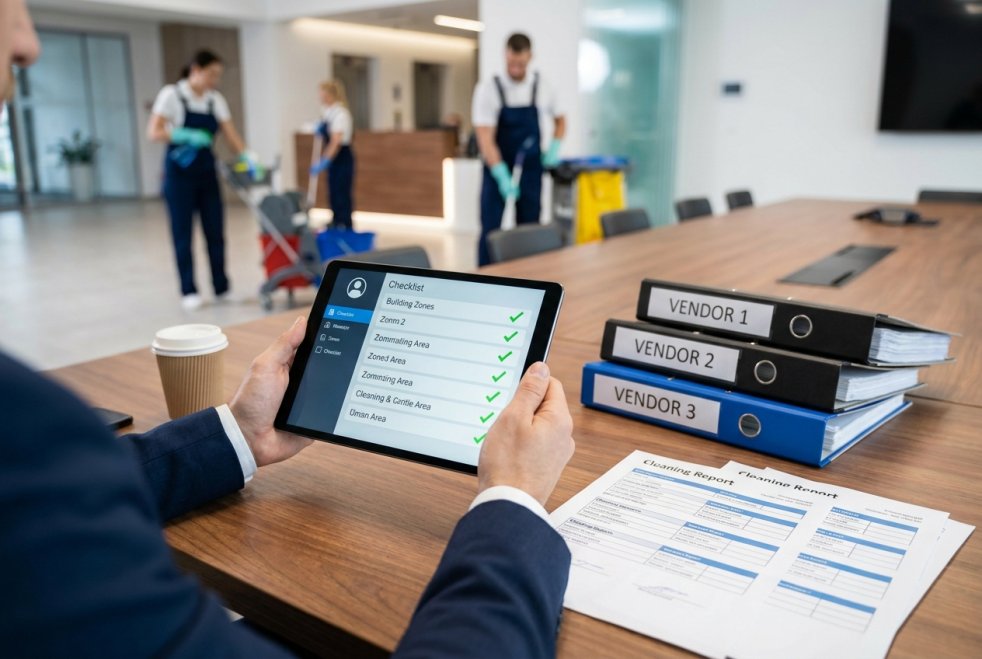
How Facility Managers Ensure Consistent Quality Across Multiple Vendors
Managing a commercial facility in Meridian means keeping a lot of moving parts aligned. When multiple vendors are involved, maintaining consistent quality across all of them is one of the most demanding parts of the job.
The problem is rarely a lack of effort. It is usually a lack of structure. Without clear standards and accountability in place, quality becomes unpredictable, and unpredictable cleaning creates real problems for your facility, your tenants, and your reputation.
Why Quality Breaks Down Across Multiple Vendors
Every vendor operates with their own internal standards, staffing priorities, and habits. When those do not align with your expectations, gaps appear quickly.
- Different crews interpret scope-of-work documents differently
- Vendor staff turnover means new employees who were never trained to your standards
- Without regular inspections, small problems compound into larger ones
- Communication gaps between vendors lead to missed tasks and duplicated effort
- Seasonal demands in the Treasure Valley, including dusty summers, muddy spring thaws, and high foot traffic from winter salt and grit, catch under prepared vendors off guard
Meridian facilities deal with a high-desert climate that swings between dry summers and cold, wet winters. Vendors not calibrated for those conditions will fall behind fast.
Start With a Detailed Scope of Work
Consistent quality starts before a vendor ever enters your building. A written, detailed scope of work is the most important tool a facility manager has.
- Define every task by frequency, not just category. Specify daily, weekly, and monthly expectations in plain language.
- Include climate-specific requirements, such as entryway mat service during muddy spring months and dust control protocols during Treasure Valley's dry summers
- Identify high-traffic zones that need the most attention, including restrooms, lobbies, and break rooms
- Specify approved products and equipment, especially in sensitive environments like medical offices or food service areas
A vague scope of work invites inconsistency. The more specific you are, the less room there is for interpretation.
Build a Vendor Accountability System
Expectations without accountability are just suggestions. Facility managers who maintain consistent quality build systems that verify performance on a regular basis.
- Use standardized inspection checklists tied directly to your scope of work
- Conduct walkthroughs on a rotating schedule so vendors cannot predict when inspections will occur
- Document deficiencies with photos and timestamps, then track how quickly they are resolved
- Score each vendor on the same rubric so performance comparisons stay objective
- Require vendors to submit completion logs or digital check-ins after each service visit
Accountability does not have to feel adversarial. Most vendors respond well to consistent, documented feedback.
Warning Signs a Vendor Is Falling Behind
Facility managers often sense a quality problem before they can prove it. These signals are worth taking seriously.
- Entryways that stay gritty or muddy during Meridian's spring thaw instead of being addressed at each visit
- Restrooms that look clean on the surface but smell stale or show buildup in grout lines and corners
- Tenant or employee complaints are increasing in frequency
- Supplies are running out between scheduled restocking visits
- Vendor staff who seem unfamiliar with your facility layout or specific requirements
- Inconsistent results from one visit to the next, with no explanation offered
Any one of these is worth a direct conversation. A pattern of them signals a structural problem that a conversation alone will not fix.
The Case for a Managed Vendor Model
Some facility managers reduce complexity by consolidating under a managed service provider rather than coordinating multiple independent vendors. This model shifts the coordination burden off your plate.
- One point of contact handles scheduling, staffing, and quality control across all cleaning services
- Standards are applied consistently because the same management team oversees every crew
- Seasonal adjustments, such as increasing entryway service during winter salt and spring mud months, happen proactively
- Performance issues are handled internally rather than escalating to you as a dispute between the parties
System4 of Idaho operates on this model, giving facility managers in the Meridian area a single accountable partner rather than a collection of vendors each running on their own terms.
Communication Practices That Keep Vendors Aligned
Even strong vendors drift without regular communication. Facility managers who maintain high standards treat vendor communication as an ongoing process, not a one-time onboarding event.
- Schedule quarterly reviews to go over inspection scores and address recurring issues
- Share facility changes, such as new tenants or renovated areas, before they affect service
- Create a simple channel for vendors to flag problems they encounter during service visits
- Recognizing vendors who consistently meet your standards, it reinforces the behavior you want to see
Vendors who feel like partners tend to perform better than those who feel like they are being monitored from a distance.
What to Do Next
If your current vendor setup is producing inconsistent results, start by auditing what you actually have in place.
- Review your scope of work documents and identify where they are vague or outdated
- Walk your facility as a tenant or visitor would and note what stands out
- Check whether your inspection process is consistent or mostly reactive
- Assess whether your vendors are prepared for Meridian's specific climate demands, from dusty summer conditions to winter grit and spring mud
If you are looking for a cleaning partner that brings structure, accountability, and regional expertise to the table, call (208) 330-1396 to schedule a walkthrough and find out what a managed commercial cleaning program from System4 of Idaho can do for your facility.